

Lyle Solomon
Attorney
Expertise:
- Personal Finance
- Debt Relief
- Bankruptcy
- Tax
Lyle Solomon, Esq., is a renowned legal attorney with a prominent track record of successfully guiding over 6,000 clients to financial independence.
Read moreHow to Choose the Right Debt Management Option
Dealing with debt is something each of us fears and we all defer it. According to 2024 statistics, the average household credit card debt in the US is $7,236. We defer dealing with debt and get caught up in the cycle of paying off debt mainly when the numbers are so huge. But if small steps are taken towards the reduction of debt, then it makes a big difference to the financial stability of the individual, which consequently leads to a better future.
If you want to get out of debt, then if you are seeking solutions now, you are well on your way to financial freedom. Not all debt is created equal.
There are two broad kinds of debt:
- Good Debt: These are debts that eventually go toward increasing one's net worth and toward achieving long-term goals. For instance, a mortgage brings you closer to your dream home, and if property value rises, it adds to your wealth.
- Bad Debt: Bad debt is non-secured; therefore, it doesn't add any value in the long run. It even halts you from achieving your financial goals. Therefore, high-interest credit card debt is a good example. It could get out of control and prevent you from going on to achieve other financial goals like saving for retirement or investing in education.
A debt management plan helps in managing such poor unsecured debts. With this structured plan up and running, you regain control over your finances and can significantly reduce the stress of making such high-interest payments, and then you're debt-free.
What is Debt Management?
Debt management is your pathway to taking control of your money and becoming debt free. Whether you decide to tackle it on your own or work with a professional the goal is simple: to get back in control of your finances and systematically eliminate your debt.
There are two main ways to manage your debt:
Do-It-Yourself (DIY) Approach:
- Create a budget that puts debt payoff first while keeping your essential bills covered.
- Use proven methods like the debt snowball (paying off the smallest debts first) or debt avalanche (tackling the highest interest rates first).
- Take advantage of helpful tools like budget apps and calculators to keep yourself on track.
Working with a Credit Counselor:
- Partner with a certified expert who can negotiate with your creditors for better terms.
- Simplify your life by combining all your debts into one monthly payment.
- Get lower interest rates and possibly have fees waived.
- Spread your payments over 3-5 years to make them more manageable.
- Have someone in your corner providing support and keeping you accountable.
According to the National Foundation for Credit Counseling (NFCC) people who use their debt management programs typically see their interest rates drop by about 15%. This means you can get out of debt faster and with less strain on your monthly budget.
The right debt management approach depends on your situation. Whether you choose to go it alone or work with a professional what matters is picking a plan you can stick with until you reach your debt free goal.
How does debt management work?
Getting control over your debt can happen either by DIY planning or with the help of professionals who live by doing this for a living. Let's understand both so that you can choose the right path for yourself.
1. Do-It-Yourself (DIY) Debt Management
Taking control of your debt means developing a budget and paying it with a scheduled plan. Two of the tested methods below are effective:
- Debt Snowball Method: Start with your smallest debts first. Each small win builds your confidence and motivation to tackle bigger debts.
- Debt Avalanche Method: Pay off high-interest debts. This method saves one the most money in the long run by minimizing interest charges.
Tools to Help You Succeed:
- Calculate your spending using budget calculators.
- Track payments with a loan repayment calculator.
- You can use Apps like Mint, YNAB (You Need A Budget) or Undebt. It may help in organizing.
Communicate with Your Creditors
You can also directly contact your creditors and negotiate better terms. Most accept the reduction of interest rates or modification of a repayment schedule, particularly if they notice that you are committed to paying them.
Planning for the future
Once you are in control of your debt, it is time to decide which accounts you will keep open and which you will close. Whatever you choose, ensure that it will depend on your long-term goals.
Pros and Cons of DIY Debt Management
Before you decide to manage your debt on your own, it is important that you should know what works for you and what does not.
Advantages:
- Understanding your spending habits and learning how to make money work for you.
- Negotiate with your creditors for lower interest and charges.
- Set timely payments which means you will get fewer calls from debt creditors or collectors.
- For timely payment, your overall debt is not only reduced but also your credit score is improved.
- You can see with time your debt amount decreases which brings confidence and motivation to continue with the payment.
Challenges:
- There is a chance you may not find credit counseling services and professional consultancy free of cost.
- You’ll have to do everything yourself - from dealing with collectors to organizing payments.
- Paying debt while paying bills requires planning which takes proper planning and is time-consuming.
- All DIY plans take 3-5 years and you need to stay focused on your goals.
What is a Debt Management Program?
A debt management program (DMP) is a plan to pay off credit cards and other unsecured debts. With credit counseling agencies - both nonprofit and for-profit - you’ll combine all your debts into one monthly payment. These programs often get you lower interest rates and fees, so you can pay off debt in 3-5 years.
How Does it Work?
Getting started with a DMP involves three easy steps:
First Meeting:
- Meet with a certified credit counselor who will review your finances.
- Share your income, bills and debts to see if a DMP is for you.
Creating Your Plan:
- Your counselor will negotiate with creditors to lower interest rates and fees.
- You’ll work together to create a payment plan that fits your budget.
- All your debts will be combined into one monthly payment.
Getting Started:
- Make one monthly payment to your credit counseling agency.
- They will pay all your creditors on time.
- Over 3-5 years, watch your debt systematically disappear.
What to Expect from a Debt Management Program
A debt management program has its own pros and cons, so understanding both helps you decide what’s right for you.
Pros:
- One simple monthly payment instead of multiple bills.
- Save money with lower interest rates.
- No more stressful collection calls once you’re enrolled.
- Know exactly when you’ll be debt-free with a timeline.
Cons:
- Success depends on making payments on time every month.
- Some companies charge setup or monthly program fees.
- Your credit score may dip briefly at first but improves with consistent payments.
- It only works for credit cards and other unsecured debts, not mortgages or car loans.
What Debts Can Be Included in a Debt Management Plan?
A Debt Management Plan (DMP) is for unsecured debts - those not backed by collateral like a house or car. Before you start your debt free journey. It’s important to know what debts qualify for this program. This will help you create a repayment strategy and set realistic expectations for your financial future.
Eligible Debts for Your DMP:
Credit Card Debt
High interest credit card balances are the most common type of debt in DMPs. Whether you have one card or several these balances can be consolidated into one payment.
Payday Loans and Cash Advances
These short term loans have extremely high interest rates that can trap you in a debt cycle. A DMP can convert these expensive loans into manageable payments.
Medical Bills
Unexpected medical expenses can hit you hard. Through a DMP these unsecured medical bills can be negotiated and added to your payment plan.
Personal Loans
Unsecured personal loans can be included in your DMP making them easier to pay through structured payments and potentially lowering interest rates.
Some Tax Debts
While some tax debts may qualify for a DMP, it’s best to talk to a credit counselor to see what’s possible.
Note: Secured debts like mortgages and car loans can’t be included in a DMP because they’re already collateralized. Your counselor will help you understand all your options and create a plan for both secured and unsecured debts.
Choosing a Credit Counseling Agency for Debt Management
Picking the right non-profit credit counseling agency is a big part of your debt free journey. Here’s what to look for to make sure you get trustworthy help that’s right for you:
Why Non-Profit?
When you’re in debt, finding the right credit counseling agency can make all the difference in your financial recovery. Many agencies offer debt management programs, but non-profits offer more affordable and reliable services than for-profits; they focus on your success not their profits.
Check Agency Credentials
Before you commit to any agency verify their credentials and reputation. Look for certification from organizations like the National Foundation for Credit Counseling (NFCC) or the Financial Counseling Association of America (FCAA). These certifications mean the agency meets high professional standards and follows ethical practices.
A good agency should also be transparent about its costs and explain any setup fees or monthly charges. Many non-profits offer free initial consultations and may even offer reduced fees based on your income.
Services and Solutions
The services and solutions offered should be full service and customized to you. They should assess your individual financial situation and offer a variety of debt relief options, debt consolidation and interest rate reduction programs.
Their debt management plans should be flexible enough to fit your situation and provide a clear path to being debt free. Look at their success in negotiating with creditors and their completion rates with clients.
Support and Guidance
Good support throughout your debt management journey is key. Choose an agency that’s available when you need help and offers support through phone, email or online chat. The best agencies also offer educational resources and tools to help you develop good financial habits and stay debt free after the program. Look for agencies with good reviews and a track record of helping people achieve their financial goals.
Make your decision
A good agency will never rush you to sign up or hide information about their programs. They should take the time to understand your situation and explain all the options before they recommend a debt management plan. That’s how you can make an informed decision about your financial future.
How a Debt Management Plan Affects Your Credit
A Debt Management Plan can affect your credit in several ways. While the long term effects are positive, it’s important to understand both short term and long term effects on your credit score.
Initial Credit Impact
When you sign up for a Debt Management Plan while starting the program, you may see a small drop in your credit score. This is because creditors will make hard inquiries about your credit report during the negotiations. Don’t worry though - these will improve as you continue with the program and make consistent payments.
Payment History and Your Score
Your payment history is key to your credit score. Making consistent on-time payments through your DMP will improve your credit score over time. Missing payments can have serious negative consequences so it’s important to stick to your payment schedule. One missed payment can undo months of good progress.
Credit Utilization
Your DMP may change how credit utilization affects your score. Paying down your overall debt will improve your credit score but closing credit accounts (which often happens in a DMP) will temporarily increase your credit utilization ratio. Your counselor can help you understand how to manage this balance.
Long Term Credit Benefits
While there may be some short term credit score changes, completing a DMP will improve your credit. Paying down debt and making consistent payments will set you up for long term financial success.
Key Principles of Debt Management
Getting out of debt requires a plan and commitment to being financially healthy. Here are the principles to follow to get debt free:
1. Know Your Situation
- Make a list of all your debts including balances and interest rates.
- Get your free credit report from Experian, Equifax or TransUnion.
- Check payment due dates and minimum payments for each debt.
- Keep track of all communications with creditors.
2. Create a Real Budget
- Create a budget for your living expenses.
- Set aside money each month for debt payments.
- Use budgeting apps or tools to track your spending.
- Look for areas to cut back and save more.
3. Make Smart Purchases
- Think before big purchases.
- Focus on what you really need.
- Don’t take on new debt while paying off old debt.
- Consider long term financial impact before buying.
4. Focus on High Interest Debt
- Target debts with the highest interest rates (debt avalanche).
- Add extra money to these high interest debts.
- Make minimum payments on other debts.
- Watch your total interest go down over time.
5. Don’t be afraid to ask
- Call creditors to talk about payment options.
- Call credit card companies to lower interest rates.
- Consider working with a credit counselor.
- Reach out before things get out of control.
Other Options for Managing Your Debt
If you think that the Debt Management plan isn’t for you. There are other ways to manage and get rid of your debt. You can explore these options and see what might work for you.
Debt Consolidation
With debt consolidation you can make your financial life easier by combining multiple debts into one loan with a lower interest rate. By taking out a personal loan or debt consolidation loan, you can pay off multiple debts and have one monthly payment to focus on. This can make your debt more manageable and save you money on interest. But keep in mind approval is based on your credit score and some loans have origination fees or prepayment penalties.
Debt Settlement
With debt settlement, you or a debt settlement company negotiates with creditors to accept a lump sum less than what you owe. This can reduce your total debt and pay off faster than traditional methods. But be aware of the risks: your credit score will take a big hit, forgiven debt might be taxable and creditors don’t have to accept settlement offers. Consider this option carefully and know all the implications before you do.
Balance Transfer Cards
Balance transfer cards allow you to move high interest credit card debt to a new card with a low or 0% introductory interest rate. This temporary break from interest charges can help you make big progress on your debt. While this simplifies payments and can save you money on interest, be aware of transfer fees (around 3%) and you’ll need good to excellent credit to qualify. Also, pay off the balance before the intro rate expires as regular interest rates are high.
Personal Loans
A personal loan gives you a lump sum to consolidate your debts into one fixed monthly payment. This option gives you predictability with a set interest rate and term so you can choose a payment schedule that fits your budget. When considering a personal loan, compare rates to your current debts, check for fees or prepayment penalties and know the qualification requirements. Your credit score will play a big role in your interest rate and approval.
Conclusion
Managing debt can be challenging but with the right tools and help financial freedom is possible. Whether you choose to do it yourself or through debt management programs, you have to take action. Know your options and use the resources available to you and you can get rid of debt and build a stable financial future. Reach out to reputable credit counseling agencies for help tailored to you.
I'm thankful to Oakview law group for making me debt-free. Thank you so much for guiding me through the process.See More ...
Client - SR3
Saved - $22,242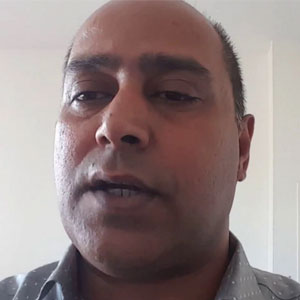
Related Articles
- How debt solutions can help you solve your debt problems
- Debt elimination: Tips to achieve a debt free life
- Debt help : Know your options when unable to repay bills yourself
- How to get out of debt in 4 situations and avoid these 13 mistakes
- Credit Card Consolidation: How can you consolidate credit card debt?